





| 查看: 1648 | 回复: 38 | ||
| 【奖励】 本帖被评价37次,作者1949stone增加金币 29.2 个 | ||
| 当前只显示满足指定条件的回帖,点击这里查看本话题的所有回帖 | ||
[资源]
Pharmaceutical Microbiology
|
||

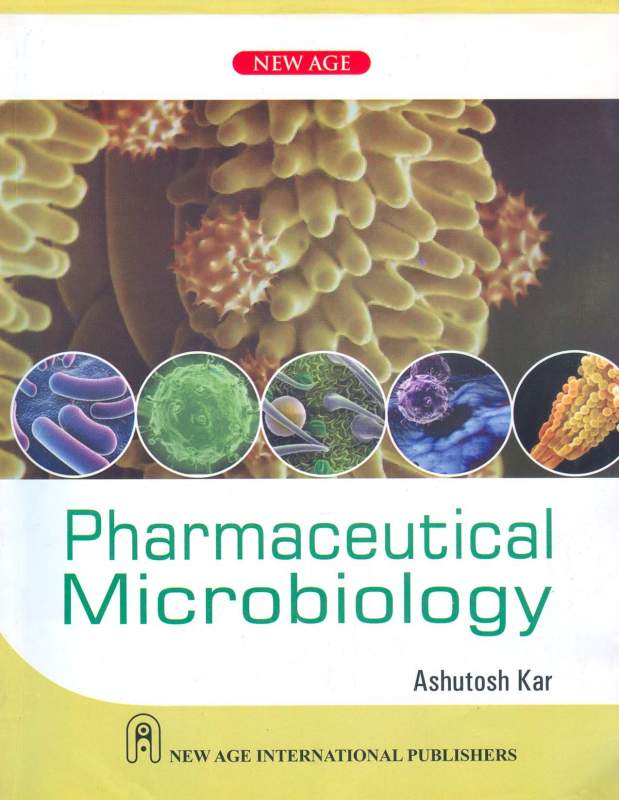 The textbook of ‘Pharmaceutical Microbiology’ specifically aims at the ever demanding thoughtful need of an absolutely well-documented compilation of factual details related to : theoritical principles, classifications, diagramatic profiles, graphic presentations, critical explanation, latest examples for the Pharmacy Degree (B. Pharm.,) throughout the Indian Universities, SAARC-countries, and similar curricula adopted abroad. Modern invigorative society, based on the overwhelming and overemphasized broad-spectrum importance vis-a-vis utilities of ‘Microbiology’ profusely gets benefited from the intricate species of scores of microorganisms in several ways and means, namely : antibiotics, vaccines, enzymes, vitamins etc. Nevertheless, a quantum-leap-forward in the field of ‘Modern Biotechnology’ rests predominantly upon reasonably sound microbiological foundation. Besides, microorganisms do modulate a plethora of vital and critical functionalities, such as : (a) enable completion of cycles of C, O, N and S which essentially occur in both terrestrial and aquatic systems ; (b) provide absolutely indispensable components of prevailing ecosystem ; and (c) serve as a critical source of ‘nutrients’ occurring at the grass-root of practically a large segment of ecological food webs and chains. The entire course-content presented in ‘Pharmaceutical Microbiology’ has been meticulously and painstakingly developed and expanded as per the AICTE-Approved Syllabus–2000. Each chapter has been duly expatiated in a simple, lucid, and crisp language easily comprehensible by its august readers. A unique largely acceptable style of presentation has been adopted, viz., brief introduction, principles, labeled figures, graphics, diagrams of equipments, descriptions, explanations, pharmaceutical applications, and selected classical examples. Each chapter is duly elaborated with adequate foot-notes, references, and ‘further reading references’ at the end. An exhaustive ‘Glossary of Important Microbiological Terminologies’ has been duly annexed at the end of the textbook. A fairly up to date computer-generated ‘Index’ in the textbook will surely enlarge the vision of its readers in gaining an easy access of subject enriched well documented text materials. Pharmaceutical Microbiology consists of Ten Chapters : (1) Introduction and Scope ; (2) Structure and Function : Bacterial Cells ; (3) Characterization, Classification and Taxonomy of Microbes ; (4) Identification of Microorganisms ; (5) Nutrition, Cultivation and Isolation : Bacteria- Actinomycetes-Fungi-Viruses ; (6) Microbial Genetics and Variations ; (7) Microbial Control by Physical and Chemical Methods ; (8) Sterility Testing : Pharmaceutical Products ; (9) Immune Systems ; and (10) Microbiological (Microbial) Assays : Antibiotics–Vitamins–Amino Acids. The text material essentially embodies not only an ample emphasis on the vivid coverage of fundamental principles of microbiology as a scientific discipline but also maintains a manageable length for the apprehension of brilliant students. |
 回复此楼
回复此楼» 本帖附件资源列表
-
欢迎监督和反馈:小木虫仅提供交流平台,不对该内容负责。
本内容由用户自主发布,如果其内容涉及到知识产权问题,其责任在于用户本人,如对版权有异议,请联系邮箱:xiaomuchong@tal.com - 附件 1 : Pharmaceutical_Microbiology.pdf
2015-10-02 18:57:26, 4.18 M
» 猜你喜欢
 干货分享 |PCR和凝胶电泳实验结果常见问题及原因分析
已经有0人回复
干货分享 |PCR和凝胶电泳实验结果常见问题及原因分析
已经有0人回复
-
文献分享 | 关于T细胞的相关研究
已经有5人回复
-
药理学论文润色/翻译怎么收费?
已经有227人回复
-
文献分享 | Nature综述:中山大学团队阐述靶向肿瘤活性氧(ROS)的原理与策略
已经有5人回复
-
生防菌的盆栽防效实验
已经有1人回复
-
请教大佬扩散问题
已经有5人回复
-
中文投稿“肿瘤免疫”相关
已经有6人回复
-
博导推荐
已经有2人回复
-
哪里做甘氨酸受体与配体结合率的试验
已经有0人回复
-
2025年药学专业求调剂
已经有1人回复
-
关于SCI杂志发表挂名
已经有32人回复
» 本主题相关价值贴推荐,对您同样有帮助:
- 国药药学专注译丛 11 英文原版 hugo and russell's pharmaceutical microbiology
已经有29人回复
- 国外药学专著译丛 10 英文原版 Pharmaceutical Production Facilities
已经有62人回复
- 国药药学专注译丛 09 英文原版 Pharmaceutical Powder Compaction Technology
已经有30人回复
- 国药药学专注译丛 07 英文原版 Pharmaceutical Packaging Technology
已经有38人回复
- 国外药学专著译丛 02 英文原版 pharmaceutical-process-scale-up
已经有72人回复
- Rapid Microbiological Methods in the Pharmaceutical Industry
已经有8人回复
- 原版图书第16季 wiley出版 生物技术百科全书 4册共10200页
已经有55人回复
- Principles and Practice of Disinfection, Preservation and Sterilization
已经有14人回复
- [Wiley 2011]Lipids and Essential Oils as Antimicrobial Agents
已经有31人回复
- Hugo and Russell’s Pharmaceutical Microbiology(已搜索无重复)
已经有11人回复
- 2012年新著——益生菌(英文版)
已经有148人回复
- 【Springer2010】Amino-Acid Homopolymers Occurring in Nature
已经有48人回复
- 【分享】 经典有机合成网大全【搜索无重复】
已经有46人回复
- 美国签证敏感专业列表(转载)
已经有155人回复
- Current Research Topics in Applied Microbiology and Microbial Biotechnology
已经有9人回复
- 【分享】大生物学科相关的几本百科全书、参考手册
已经有168人回复
- 【分享】很全的英文书籍(A-M)
已经有242人回复
21楼2015-10-06 15:53:09