









| 查看: 683 | 回复: 10 | |||
[交流]
Discussion最难写?因为没有用对工具吧。
|
|||

|
如需试用【深容SCI写作智能体】,请联系张老师:shenrongagent [https://scioriginal.com] 很多作者一直认为Discussion是SCI论文最难写的内容,既要充分讨论Results的数据,又要结合外部文献深入探究,还要回应Introduction中提出的问题,确实很烧脑。  但现在Discussion不难了,智能体帮您高质量起草。输入:Title/ Keywords/ Introduction/ Results/ Conclusion; 输出:Discussion。5分钟完成Discussion起草,并附真实参考文献。Discussion智能体的写作质量堪比985博士生! 让我们以一篇文章(STAT2 Promotes Tumor Growth in Colorectal Cancer Independent of Type I IFN Receptor Signaling)来测试一下Discussion智能体。 如上图,输入:Title/ Keywords/ Introduction/ Results/ Conclusion; 等待片刻,智能体在数据库中成功检索到43篇相关文献,并提取其全文。这一步需要您人工优选检索结果,后续的写作正是基于您勾选的参考文献。 激动人心的时刻到了!智能体已经成功输出Discussion,写作质量太哇塞了! 以下是Discussion全文,欢迎研究结直肠癌的同道评价一下写作质量,包括验证参考文献: ■ DISCUSSION 1. STAT2's Unique Role in Colorectal Cancer Progression In this study, we provide compelling evidence that STAT2 functions as a tumor-promoting factor in colorectal cancer (CRC), acting independently of the canonical IFNAR1-mediated type I interferon (IFN-I) signaling pathway. This finding challenges the traditional view of STAT2 as solely a mediator of IFN-I's tumor-suppressive effects and highlights its context-dependent, pro-tumorigenic role in CRC. Our analysis of The Cancer Genome Atlas (TCGA) colon adenocarcinoma (COAD) dataset revealed that high STAT2 mRNA expression is significantly associated with reduced overall survival in CRC patients. This is consistent with emerging evidence suggesting that STAT2 may have a dual role in cancer, depending on the cellular context and tumor type [19]. While STAT2 is essential for the antitumor effects of IFN-I in many settings, our results indicate that in CRC, elevated STAT2 expression serves as a negative prognostic indicator, independent of IFNAR1 expression levels. This observation is particularly intriguing given that IFN-I signaling, mediated through IFNAR1, is generally considered tumor-suppressive in CRC and other malignancies [19]. The discrepancy between STAT2's role in mediating IFN-I's antitumor effects and its tumor-promoting function in CRC underscores the complexity of the STAT signaling network. STAT proteins, including STAT2, are known to form homo- and heterodimers, and their interactions with other transcription factors can lead to diverse downstream effects [19]. In CRC, it is possible that STAT2 forms alternative complexes or interacts with different co-factors, leading to the activation of pro-tumorigenic gene programs. This hypothesis is supported by our functional studies, which demonstrated that STAT2 deletion suppresses tumor cell proliferation and tumor growth in both human and murine models, while IFNAR1 deletion does not have the same inhibitory effect. 2. Distinct Signaling Pathways Regulated by STAT2 and IFNAR1 Our investigation into the downstream signaling consequences of STAT2 and IFNAR1 deletion revealed distinct patterns of STAT activation. In human HCT116 cells, STAT2 deletion led to reduced phosphorylation of STAT1 and enhanced phosphorylation of STAT3, whereas IFNAR1 deletion impaired the activation of all three STATs (STAT1, STAT2, and STAT3). This suggests that STAT2 plays a unique role in modulating the balance between STAT1 and STAT3 signaling, which may have implications for tumor progression. STAT1 is generally considered tumor-suppressive, promoting antiproliferative and pro-apoptotic responses, while STAT3 is often associated with pro-tumorigenic effects, supporting cell survival, proliferation, and angiogenesis [21]. The paradoxical preservation of STAT3 signaling in STAT2 KO cells may provide a mechanistic explanation for the tumor-promoting role of STAT2 in CRC. Enhanced STAT3 activity could drive the expression of genes involved in cell cycle progression, survival, and metastasis, thereby promoting tumor growth. Conversely, the impaired STAT1 activation in STAT2 KO cells may reduce the expression of tumor-suppressive genes, further contributing to the pro-tumorigenic phenotype. These findings align with previous studies showing that dysregulated STAT3 signaling is a common feature of many cancers, including CRC, and is associated with poor prognosis [19]. In murine MC38 colon carcinoma cells, we observed a similar pattern of altered STAT activation upon STAT2 and IFNAR1 deletion. STAT1 activation was completely absent in STAT2 KO cells, and STAT3 phosphorylation was reduced compared to parental cells. These results suggest that the distinct roles of STAT2 and IFNAR1 in regulating downstream STAT signaling are conserved across species, reinforcing the relevance of our findings to human CRC. 3. Impact on Cytotoxic T Cells and the Tumor Microenvironment The tumor microenvironment (TME) plays a critical role in CRC progression, and immune cells, particularly cytotoxic T lymphocytes (CTLs), are key mediators of antitumor immunity [4]. IFN-I signaling is known to enhance the cytotoxic activity of CTLs and natural killer (NK) cells, contributing to tumor suppression [4]. However, our results indicate that STAT2's tumor-promoting effects in CRC are independent of canonical IFNAR1-mediated IFN-I signaling, suggesting that STAT2 may influence the TME through alternative mechanisms. One possibility is that STAT2 modulates the expression of immune checkpoint molecules or cytokines that affect CTL infiltration and function. For example, STAT2 could promote the production of immunosuppressive cytokines, such as transforming growth factor-beta (TGF-beta) or interleukin-10 (IL-10), which inhibit CTL activity and promote tumor immune evasion [4]. Alternatively, STAT2 may influence the recruitment or activation of other immune cell populations, such as regulatory T cells (Tregs) or myeloid-derived suppressor cells (MDSCs), which can suppress antitumor immunity and promote tumor progression [4]. Further studies are needed to elucidate the specific mechanisms by which STAT2 affects the TME in CRC. Understanding these mechanisms could provide insights into how STAT2 contributes to tumor immune evasion and identify potential targets for immunotherapy. 4. Comparison with Other Cancers The role of STAT2 in cancer is complex and appears to vary depending on the tumor type. In some cancers, such as melanoma and renal cell carcinoma, STAT2 is required for the antitumor effects of IFN-I, and its loss is associated with reduced survival [19]. In contrast, our study and others have shown that STAT2 can promote tumor progression in CRC and possibly other malignancies [19]. This context-dependent behavior of STAT2 may reflect differences in the tumor microenvironment, the presence of specific mutations, or the activation of alternative signaling pathways. For example, in breast cancer, STAT2 has been shown to promote tumor cell survival and chemoresistance through both canonical and non-canonical signaling mechanisms [19]. Similarly, in glioblastoma, STAT2 can support tumor growth by activating pro-angiogenic genes [19]. These findings suggest that STAT2's role in cancer is not limited to its function in IFN-I signaling and that it can interact with other signaling pathways to drive tumor progression. The differences in STAT2's role across cancer types highlight the importance of studying its function in specific tumor contexts. In CRC, where inflammation and immune modulation are key drivers of disease progression, understanding how STAT2 contributes to tumor growth and immune evasion could lead to the development of novel therapeutic strategies. 5. Further Investigation and Therapeutic Implications Our study provides strong evidence that STAT2 promotes tumor growth in CRC through mechanisms independent of canonical IFNAR1-mediated IFN-I signaling. However, several questions remain to be addressed. First, the specific downstream targets of STAT2 that drive tumor progression in CRC need to be identified. This could involve transcriptomic profiling of STAT2-overexpressing and STAT2-deficient tumor cells to identify differentially expressed genes involved in cell proliferation, survival, and metastasis. Second, the mechanisms by which STAT2 modulates the tumor microenvironment and immune cell function require further investigation. This could involve studying the effects of STAT2 on cytokine production, immune checkpoint molecule expression, and immune cell infiltration in CRC tumors. Understanding these mechanisms could provide insights into how STAT2 contributes to tumor immune evasion and identify potential targets for immunotherapy. Third, the potential therapeutic value of targeting STAT2 in CRC needs to be explored. Given that STAT2 deletion suppresses tumor growth in preclinical models, inhibiting STAT2 signaling could represent a novel therapeutic strategy for mitigating CRC progression. This could involve the development of small-molecule inhibitors or monoclonal antibodies that target STAT2 or its downstream signaling pathways. In conclusion, our findings demonstrate that STAT2 functions as a tumor-promoting factor in CRC, acting independently of canonical IFNAR1-mediated type I interferon signaling. While IFNAR1 loss did not accelerate tumor growth, STAT2 deletion consistently suppressed cell proliferation and tumor formation in both human and murine models. These results reveal a context-dependent, pro-tumorigenic role for STAT2 and underscore the complexity of the IFN-I signaling axis in CRC. Targeting STAT2 or its downstream pathways may, therefore, represent a novel therapeutic strategy for mitigating colon cancer progression. Further studies are needed to fully elucidate the mechanisms by which STAT2 promotes tumor growth and to explore its potential as a therapeutic target in CRC and other malignancies. References [4] Zhou K, Zhang X, Liang Y, Yao H, Hou Y, Zhang X, Du L, Wang W, Wang J, Meng X M1-like macrophages regulate T cell infiltration in colorectal cancer through P2X4 receptor. iScience. 2025. 28. 113517. PMID: 41031375. DOI: 10.1016/j.isci.2025.113517. [18] Wang J, Wu M, Sun J, Chen M, Zhang Z, Yu J, Chen D Pan-cancer analysis identifies protein arginine methyltransferases PRMT1 and PRMT5 and their related signatures as markers associated with prognosis, immune profile, and therapeutic response in lung adenocarcinoma. Heliyon. 2023. 9. e22088. PMID: 38125466. DOI: 10.1016/j.heliyon.2023.e22088. [19] Chiriac MT, Hracsko Z, Becker C, Neurath MF STAT2 Controls Colorectal Tumorigenesis and Resistance to Anti-Cancer Drugs. Cancers. 2023. 15. 5423. PMID: 38001683. DOI: 10.3390/cancers15225423. [21] Wang S, Diao S, Kim H, Zou JY, Li KK, Koromilas AE A feedforward loop between STAT1 and YAP1 stimulates lipid biosynthesis, accelerates tumor growth, and promotes chemotherapy resistance in mutant KRAS colorectal cancer. Communications Biology. 2025. 8. 1278. PMID: 40855221. DOI: 10.1038/s42003-025-08740-2. [23] Cheung P, Xiol J, Dill MT, Yuan WC, Panero R, Roper J, Osorio FG, Maglic D, Li Q, Gurung B, Calogero RA, Yilmaz ÖH, Mao J, Camargo FD Regenerative reprogramming of the intestinal stem cell state via Hippo signaling suppresses metastatic colorectal cancer. Cell stem cell. 2020. 27. 590-604.e9. PMID: 32730753. DOI: 10.1016/j.stem.2020.07.003. [24] Zhu H, Li M, Bi D, Yang H, Gao Y, Song F, Zheng J, Xie R, Zhang Y, Liu H, Yan X, Kong C, Zhu Y, Xu Q, Wei Q, Qin H Fusobacterium nucleatum promotes tumor progression in KRAS p.G12D-mutant colorectal cancer by binding to DHX15. Nature Communications. 2024. 15. 1688. PMID: 38402201. DOI: 10.1038/s41467-024-45572-w. [42] Hsiao YJ, Hsieh MS, Chang GC, Hsu YC, Wang CY, Chen YM, Chen YL, Yang PC, Yu SL Tp53 determines the spatial dynamics of M1/M2 tumor-associated macrophages and M1-driven tumoricidal effects. Cell Death & Disease. 2025. 16. 38. PMID: 39843434. DOI: 10.1038/s41419-025-07346-0. 以上这篇Discussion起草时间仅00:04:16 【深容SCI写作智能体】包括四大模块:Method智能体、Introduction智能体、Discussion智能体、Abstract智能体。 如需试用智能体,请徽售联系张老师:shenrongagent [https://scioriginal.com] #SCI论文 #科研 #实验 #博士 #投稿 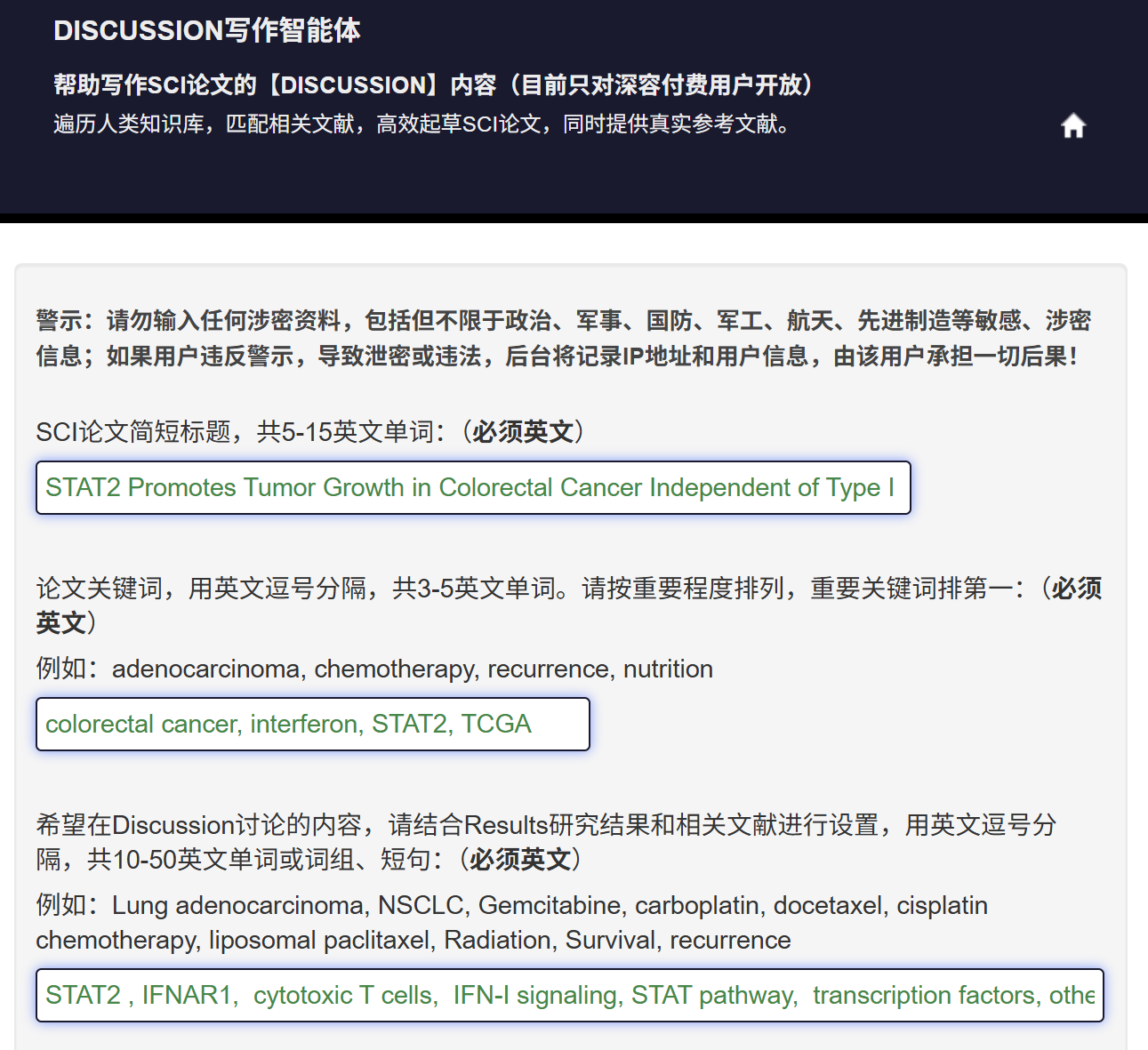 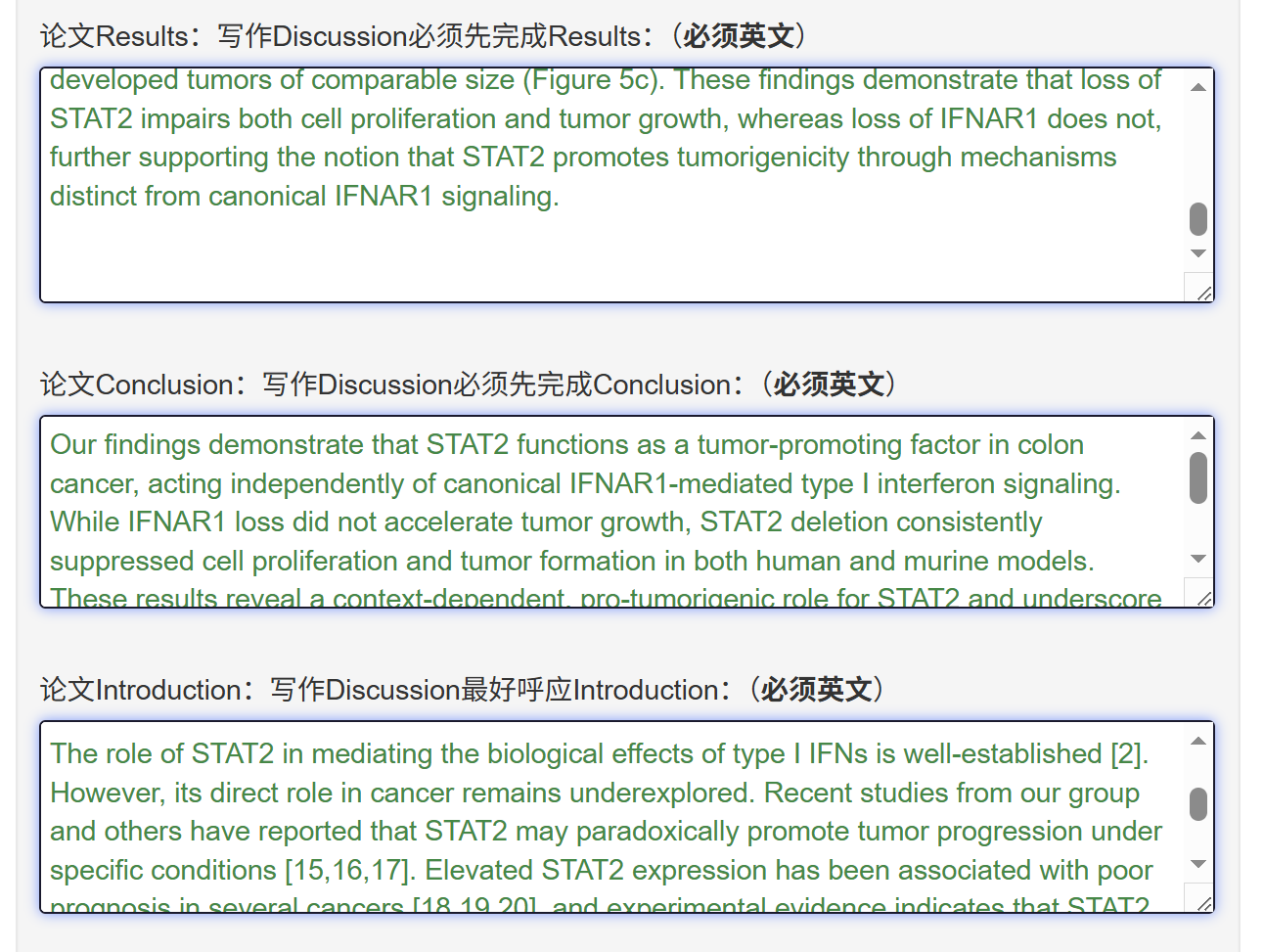 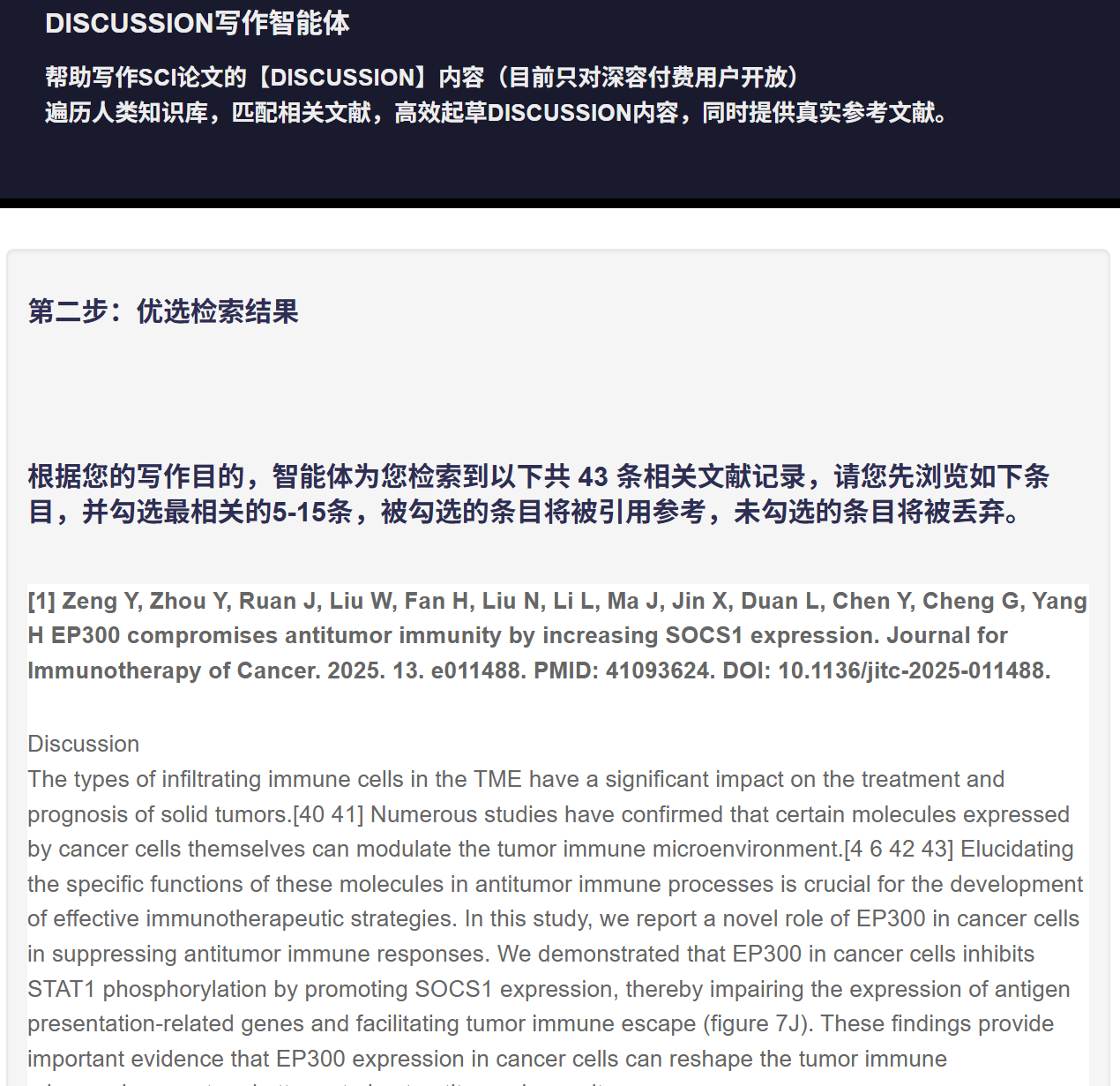 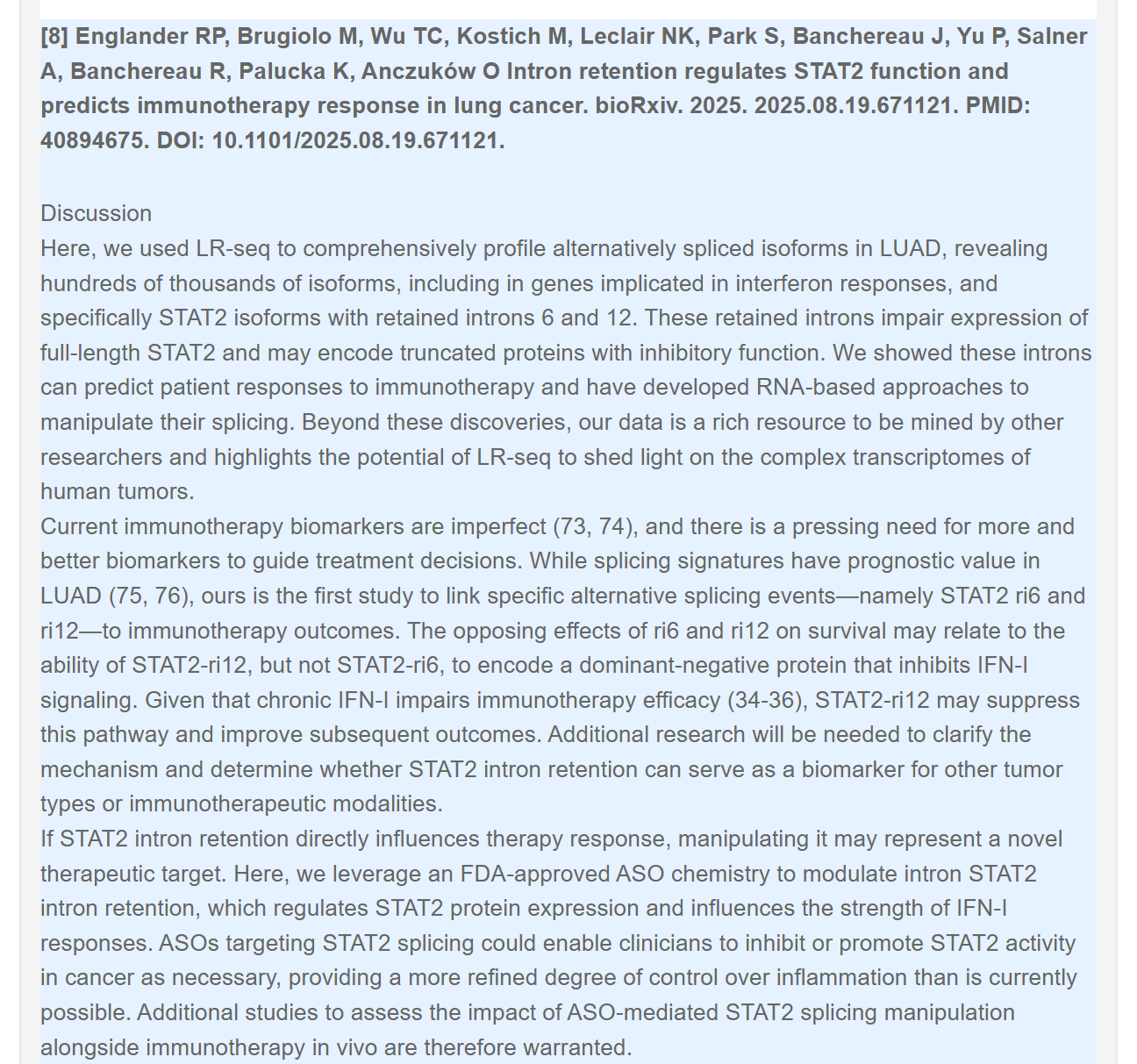 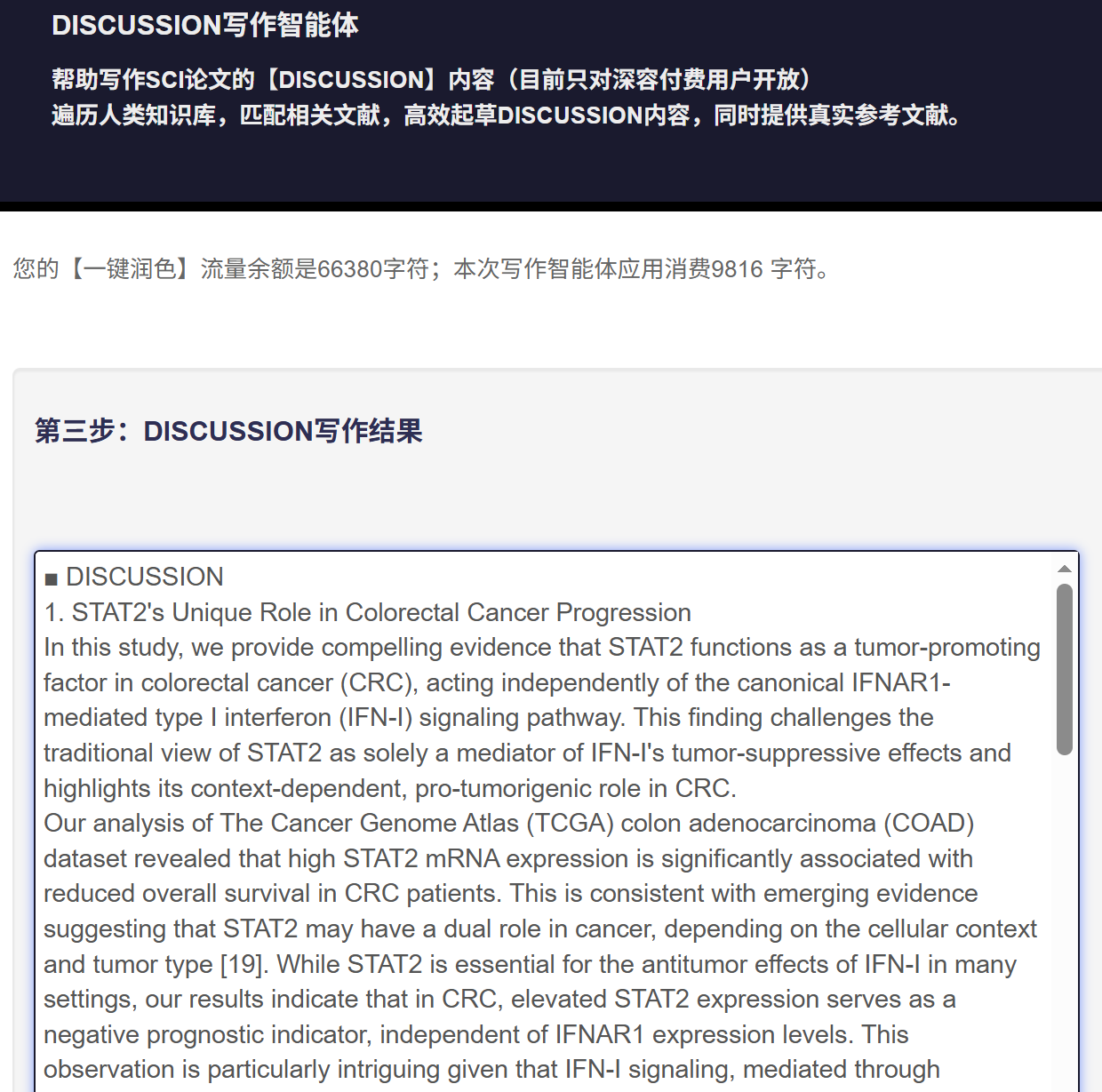 |
 回复此楼
回复此楼» 猜你喜欢
 系统里面怎么还是等待基金委接收纸质
已经有3人回复
系统里面怎么还是等待基金委接收纸质
已经有3人回复
-
同一个分子,一条来自文献,一条来自AI——不告诉你答案,你会选哪条?
已经有11人回复
-
烦躁
已经有3人回复
-
寻找合作团队
已经有4人回复
简单回复
jiaoxg2楼
2026-01-05 10:57
回复
pheiphei2025(金币+1): 谢谢参与

2026-01-05 11:21
回复
pheiphei2025(金币+1): 谢谢参与
XG-WUST4楼
2026-01-05 11:24
回复
pheiphei2025(金币+1): 谢谢参与
up 发自小木虫IOS客户端
tfang5楼
2026-01-05 13:37
回复
pheiphei2025(金币+1): 谢谢参与
夏末末876楼
2026-01-05 13:58
回复
pheiphei2025(金币+1): 谢谢参与
1 发自小木虫手机客户端
庚辰辛丑7楼
2026-01-05 14:13
回复
pheiphei2025(金币+1): 谢谢参与
2026-01-05 14:27
回复
pheiphei2025(金币+1): 谢谢参与

我才是肖牧冲9楼
2026-01-05 14:31
回复
pheiphei2025(金币+1): 谢谢参与
。 发自小木虫手机客户端
silenzhao10楼
2026-01-06 00:00
回复
pheiphei2025(金币+1): 谢谢参与
祝福 发自小木虫手机客户端
shenrenren11楼
2026-01-06 08:19
回复
pheiphei2025(金币+1): 谢谢参与